"I came from a country where nothing was guaranteed — not safety, not opportunity, not tomorrow. That changes how you see everything."
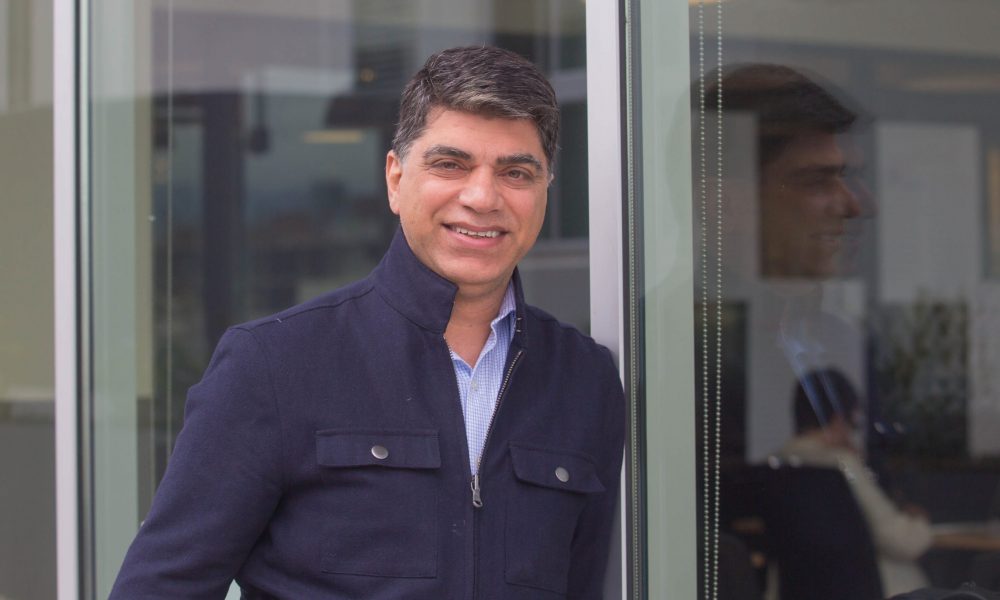
From Tehran to Los Angeles
Ben Mansouri grew up in Iran — a country of extraordinary culture and deeply complicated history. He lived through war. He witnessed revolution. He watched institutions collapse and rebuild and collapse again. By the time he was an adult, he had seen enough instability to understand something that most people raised in comfort never fully grasp: that nothing is given, everything is earned, and the window of opportunity can close without warning.
In 2000, Ben came to the United States as an asylum seeker. He arrived without the safety net of connections, without the advantage of an established name, and without any guarantee that his skills would translate into success in a new country, in a new language, in a culture built on rules he was still learning. What he did have — and what nobody could take from him — was a ferocious appetite for learning, and a clarity of purpose shaped by everything he had survived.
When you have seen a revolution, you stop being afraid of starting over. You stop waiting for permission. You build.
— Ben MansouriHe built. Slowly, then all at once. He studied the American market with the same intensity he had applied to surviving everything that came before it. He married a pediatrician — a woman whose entire professional life was dedicated to the health of children — and watched up close as one of the most intelligent people he knew struggled with something that had nothing to do with medicine: getting patients through the door.
That observation became an obsession. Why were exceptional doctors — people who had spent a decade in training, who genuinely changed lives — invisible online? Why were the best practices losing to inferior ones simply because someone else had figured out Google? And why was every marketing agency treating healthcare the same way they treated a restaurant or a retail brand, with zero understanding of compliance, patient psychology, or the specific trust dynamics of the doctor-patient relationship?
The answer Ben kept arriving at was the same: nobody was building this the right way. So he decided to build it himself.
Why Healthcare — and Why Exclusively
Zevi Digital works with one type of client: medical and dental practices. No restaurants, no retailers, no tech startups. This is not a positioning strategy. It is a conviction.
Ben's wife is a pediatrician. For years he watched her navigate the impossible tension between practicing medicine at the highest level and running a business in a market that rewards visibility as much as skill. The doctors he admired most — the ones he would personally send his own family to — were often the least visible online. That struck him as a fundamental failure of the system.
Healthcare marketing is not like other marketing. The stakes are different. A bad ad campaign for a restaurant costs you some money. A badly run healthcare campaign can expose a practice to HIPAA violations, attract the wrong patients, destroy a physician's reputation, or simply waste the limited time and resources of someone whose real job is saving lives. It demands a different level of expertise, a different level of care, and a partner willing to go deep rather than broad.
That is what Zevi Digital was built to be. And that is why Ben personally took on the designation of HIPAA Officer — not because it was required, but because it was the right thing to do for the practices that trust his agency with their growth.
The Person Behind the Practice
Ben is a committed, passionate skier. The mountain is where the noise stops — where the only thing that matters is reading the terrain in front of you and committing fully to the line you have chosen. There are worse metaphors for business.
Ben's wife is a practicing pediatrician. Her world — the daily reality of caring for patients while running a medical practice — is the lens through which Zevi Digital was built. He has watched healthcare from the inside for decades, and that perspective informs everything.
Ben and his wife have two adult children. Watching them build their own lives in America — a country that gave their family a second chance — is the clearest reminder of why the work matters and what it is ultimately in service of.
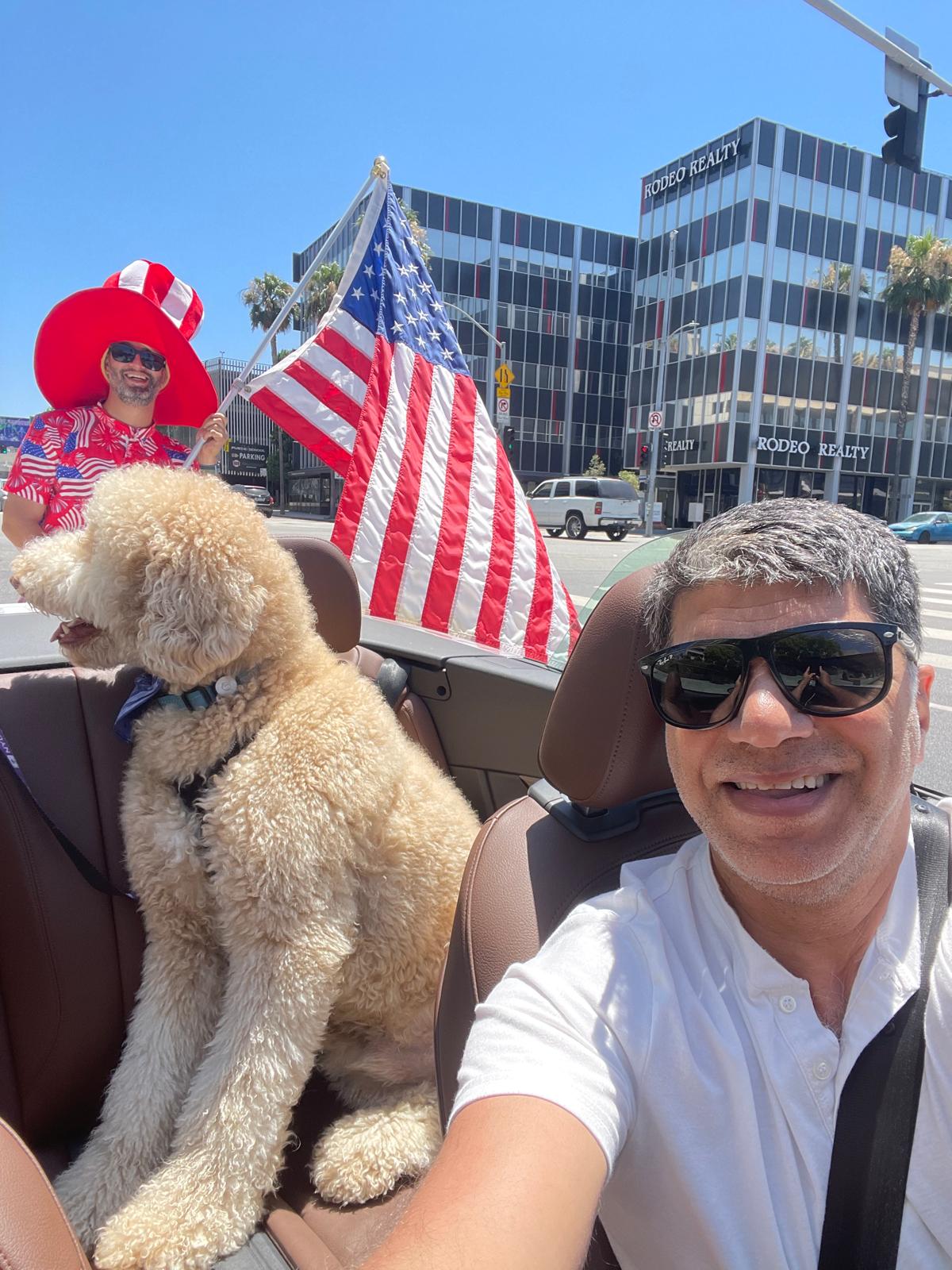
At 60, Ben started playing the drums. Not because it was practical. Not because it made sense on a schedule. But because the right time to start something you love is always right now — and he learned that lesson the hard way, in a country that taught him not to wait for the perfect moment.
What Ben Actually Believes
Work With Ben
If you are a doctor, dentist, or practice owner ready to build a predictable patient acquisition system — or a journalist looking to speak with a genuine expert in healthcare marketing — the conversation starts here.